
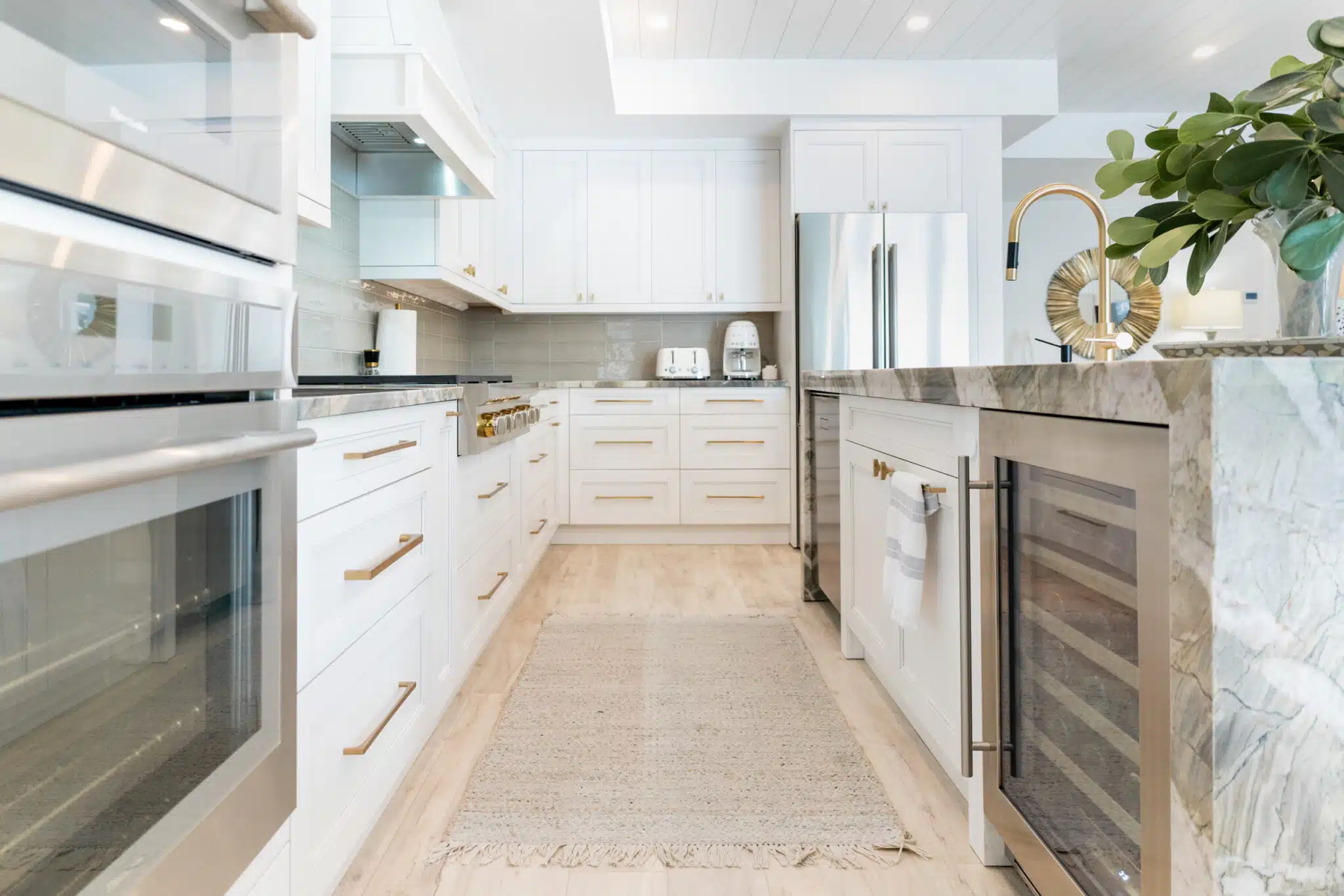
Before clients hire us, they almost always ask the same question. It’s not about square footage or cabinet styles. It’s “How long will this take?” What they’re really asking is “How long will my family eat around the coffee table?” “How long until I can host dinner again?” “How long do I need to brace for disruption?” The honest answer is that every kitchen remodel is different. However, most full kitchen renovations typically take sixteen to twenty weeks on average from the first conversation to final completion.
A kitchen remodel does not happen all at once. It unfolds in layers. Each layer has its own rhythm, its own bottlenecks, and its own definition of progress. If you want a full overview of how each stage flows into the next, you can review the step-by-step process on our website. Below, we will walk through each phase and explain how it affects the overall schedule.
Meeting Phase
The timeline officially begins with the first meeting. This is when homeowners share goals, frustrations with the current layout, and ideas for improvement. It is also the stage where expectations, budgets, and priorities are discussed.
This phase usually takes one to two weeks, depending on scheduling and initial planning conversations. While it may feel like the project has not started yet, this stage sets the foundation for everything that follows.
Clear communication early on prevents delays later.
Concept Phase
After the initial meeting, the vision begins to take shape. During the concept phase, ideas are translated into preliminary layouts and design directions.
This may include:
- Exploring potential layout changes
- Reviewing cabinet styles and finishes
- Considering appliance placement
- Identifying structural adjustments if needed
The concept phase can take two to three weeks. Adjustments are common during this time as homeowners refine their preferences. Moving carefully through this stage helps prevent costly revisions during construction.
Design Phase
The design phase builds upon the approved concept and turns ideas into detailed plans. Measurements are finalized, materials are selected, and technical drawings are prepared.
Homeowners, with the guidance of our design team, typically make decisions regarding:
- Cabinet configurations
- Countertop materials
- Lighting selections
- Flooring options
- Hardware details
This phase often lasts three to four weeks. Because custom cabinetry and specialty material samples may require ordering, final decisions during this stage directly impact the overall timeline.
Refine Phase
Even after a design is completed, there is usually a period of fine-tuning. The refinement phase focuses on ensuring every detail aligns with the homeowner’s expectations.
This may involve small layout adjustments, confirming finish selections, and ensuring all components work cohesively together.
Although it may seem minor, this stage is essential. Spending an extra week refining details can prevent weeks of delay later. On average, this phase may take one to two weeks.
Prepare Phase
Once designs are finalized and materials are ordered, preparation begins. This stage includes securing permits if required, scheduling trades, and coordinating material delivery.
Preparation often happens behind the scenes, but it is one of the most critical parts of the remodel timeline. Custom cabinetry fabrication and material lead times frequently occur during this phase.
Depending on complexity and material availability, preparation may take four to six weeks. This is often when homeowners wonder why visible progress has not yet begun. In reality, major groundwork is being completed to ensure a smooth build phase.
For a deeper look at how preparation and scheduling are handled, you can explore the full outline on the Our Process page.
Build Phase
The build phase is when the transformation becomes visible. Demolition begins, followed by structural adjustments, plumbing updates, and electrical work if required.
The build stage typically includes:
- Removal of existing cabinets and fixtures
- Structural framing adjustments if needed
- Installation of plumbing and electrical components
- Cabinet installation
- Countertop fabrication and installation
- Backsplash and finishing details
This phase generally takes 12-16 weeks, depending on the scope. Kitchens that involve layout changes or extensive customization may require more time.
During this stage, coordination between trades is crucial. Delays can occur if materials arrive late or if unexpected structural issues are uncovered. However, proper planning during earlier phases helps minimize these risks.
Enjoy Phase
Once installation is complete and final inspections are finished, the kitchen becomes fully functional again. This is the moment homeowners have been waiting for.
The enjoy phase may include final walkthroughs to ensure every detail meets expectations as we help customers move in and settle in. But most importantly, this is the time for you to enjoy the fruit of what you have been waiting so long for!
Although the major work is finished, this short period ensures quality control and complete satisfaction.
Share Phase
The final stage focuses on celebrating the completed project. Many homeowners choose to document the transformation through professional photography or by sharing their new space with friends and family.
This stage does not add time to the construction schedule but represents the closing chapter of the remodel journey.
Why the Average Timeline Is Sixteen to Twenty Weeks
When you combine all phases together, the typical full kitchen remodel spans sixteen to twenty weeks. Smaller cosmetic updates may finish sooner, while highly customized projects may extend toward the upper end of that range.
Several factors influence timing:
- Scope of structural changes
- Custom cabinetry fabrication
- Permit approvals
- Material availability
- Decision-making speed
Understanding that remodeling is a phased process helps homeowners set realistic expectations from the beginning.
Planning With Confidence
Here is the truth we share with every homeowner who sits down across from us: A sixteen-week timeline and a twenty-week timeline feel exactly the same five years later. You won’t be remembering the wait in the future. Instead, what you remember is whether the cabinets fit your pots and pans, whether the island became the gathering spot you hoped for, and whether the process drained you or energized you.
A realistic timeline, managed by a team that treats your home as if their reputation is on the line, is not an inconvenience. It is an investment in a room that will hold thousands of breakfasts, homework sessions, and late-night conversations. If you are thinking about starting your own kitchen renovation and would like to discuss your ideas, timeline, and goals, you can reach out to us at Abbie Joan to begin the conversation.
With realistic expectations and a clear plan in place, sixteen to twenty weeks becomes a meaningful investment in a kitchen designed to support your lifestyle for many years ahead.